

Ultra-Fast Charging Station
Your Professional Ultra-Fast Charging Station Supplier
Our goal is to become your true partner in the field of ultra-fast charging station in China. Since its establishment in 2021,has been committed to becoming a leading enterprise in the new energy vehicle technology field. Mainly provide customers with high-quality and intelligent charging solutions. We have a skilled engineering team dedicated to refining every stage, from product development and process improvement to production oversight, ensuring every product delivered meets rigorous quality and performance standards. The price is competitive and the product is quality-assured, which is a good choice for your long-term cooperation.


Why Choose Us
Product application
Our products mainly include charging stations, charging piles and converters, which are widely used in public charging stations, road rescue and other scenarios.
Production market
Our products are sold well in many countries and regions around the world, including Europe, America, Southeast Asia, etc., and our footprints are all over the international market, which strongly proves our quality and strength.
Customized solutions
We provide not only a single product, but a full set of charging solutions built according to different scenarios and different needs, whether it is a commercial center, a residential community or a public transportation hub, which can be efficiently adapted.
Our services
In the pre-sales stage, our team of experts will recommend the most suitable products according to the needs of customers and provide detailed technical consultation. During the sales period, we ensure timely delivery and provide installation guidance. For after-sales, we provide long-term technical support, warranty services and spare parts to help customers maximize the use of products and get reliable maintenance during use.

Reduced charging time: They allow a battery to be fully charged in about 20-40 minutes, depending on the car model, battery capacity, and the power output of the charging station.
Convenience and practicality: Ideal for long-distance travelers, as they significantly reduce the time needed for charging. For example, fast and ultra-fast charging stations are typically located near major roads, highways, airports, commercial establishments, and other points of interest that offer useful services for those stopping to charge, making the stop even more comfortable.
Optimal charging experience: By speeding up the process, they allow more vehicles to use the same charging point throughout the day, reducing wait times and ensuring an optimal charging experience.
Accessibility: Generally located on public land and accessible to all models of electric cars through the mobility applications of e-mobility service providers.
Features of Ultra-Fast Charging Station
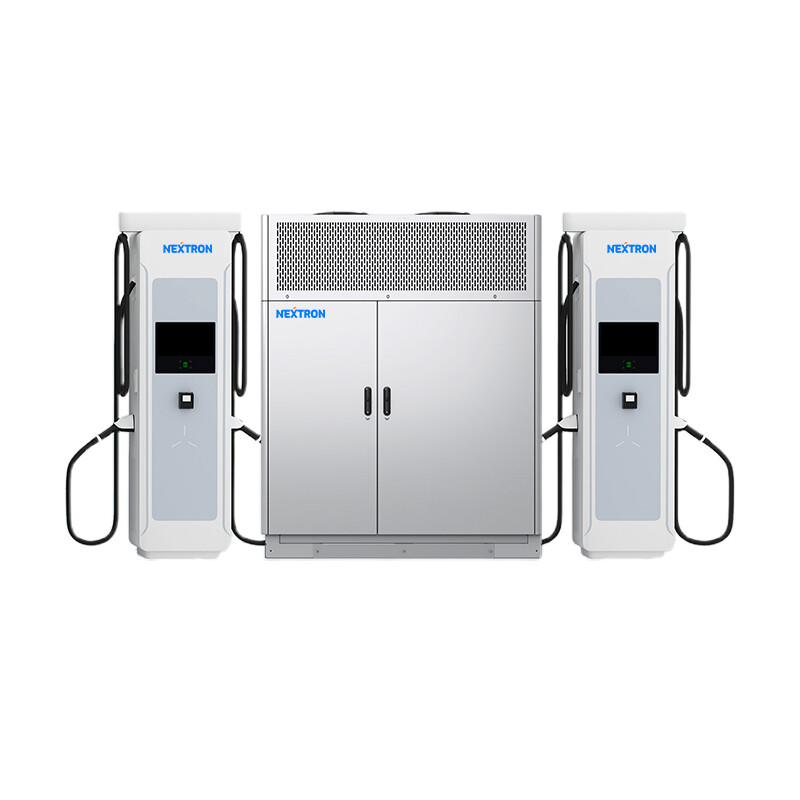
Power Sharing Matrix
Improving power utilization.
01
Low Noise
≤60dB@25℃.
02
Low Failure Rate
Module failure rate<0.5%.
03
Modular Design
Multiple dispenser configurations.
04
DC Bus
AC or DC ESS coupling supported.
05
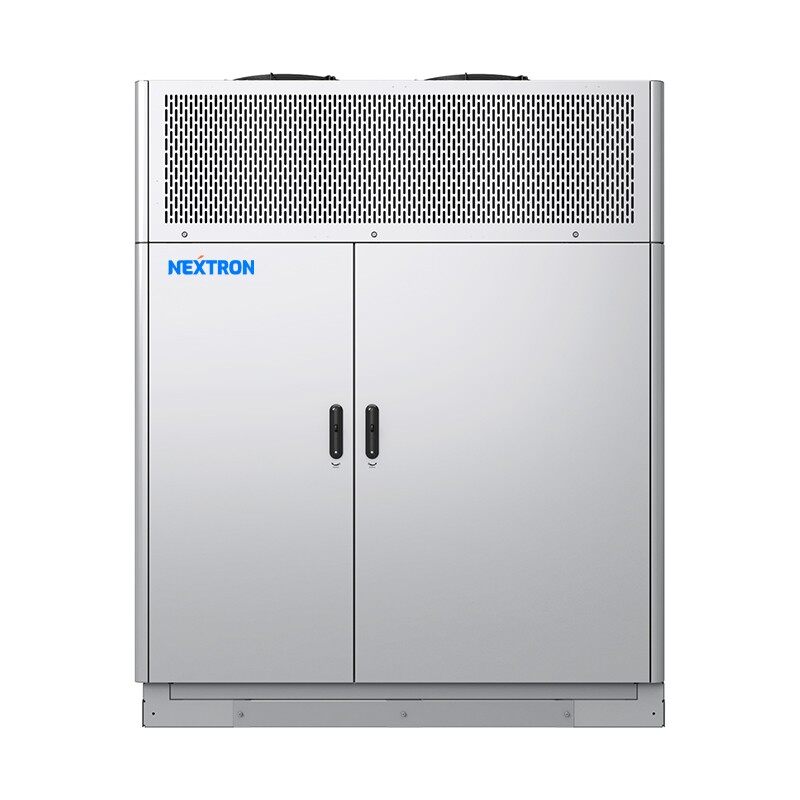
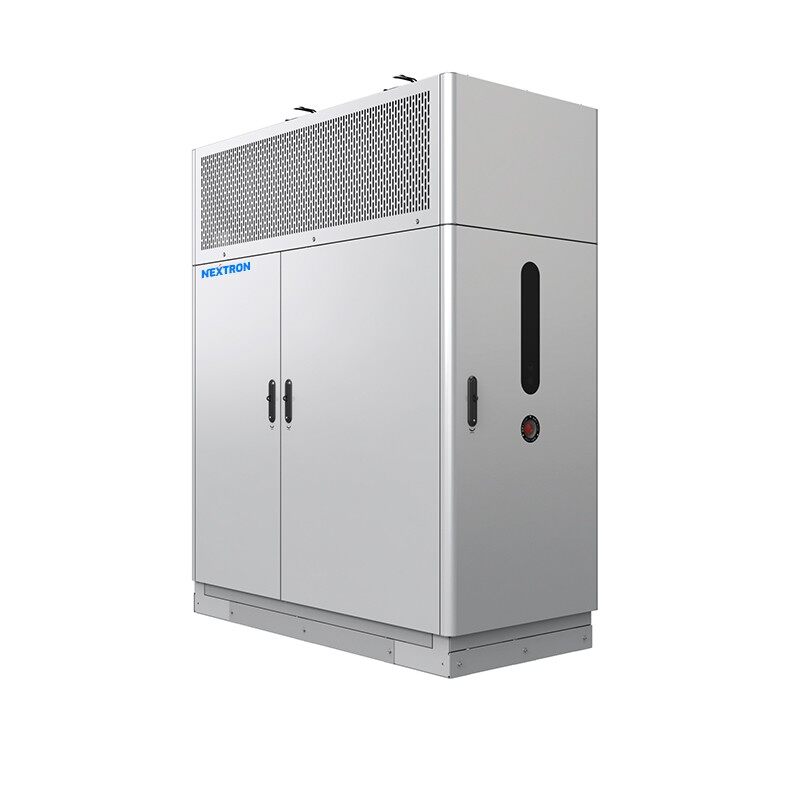
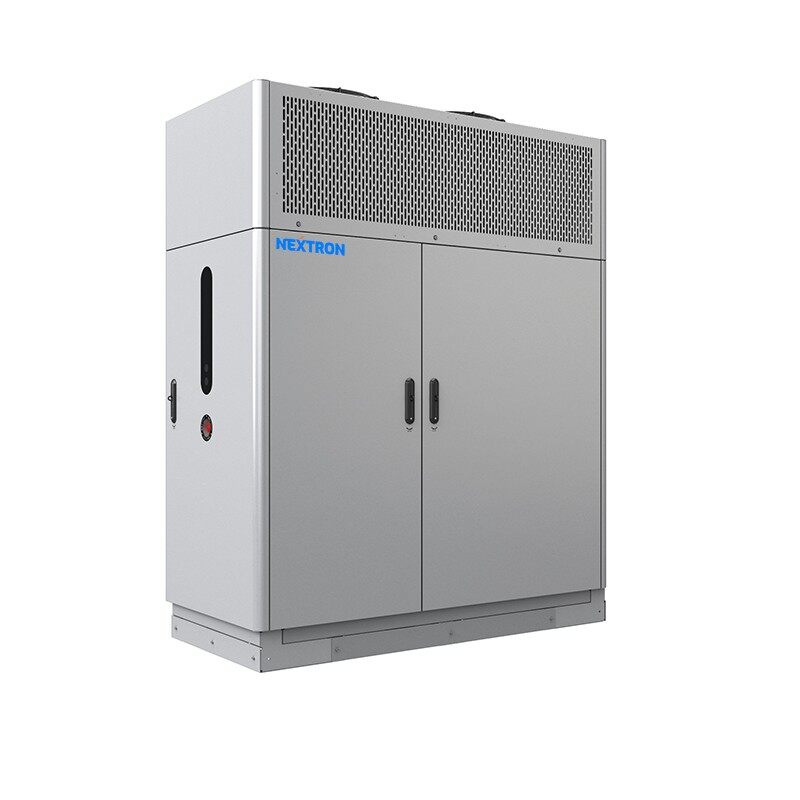
Specifications of Ultra-Fast Charging Station
|
Liquid-cooled Power Cabinet |
|
|
Dimensions (W x D x H) |
800 mm × 1700 mm × 2150 mm |
|
Power Configuration(AC/DC+DC/DC) |
600kW+720kW |
|
Installation Mode |
Floor-mounted |
|
System Efficiency |
94.5% (Full load), Maximum efficiency: 95.5% |
|
Cooling |
Liquid cooling |
|
IP Rating |
IP55 |
|
Communication Interface |
4G, FE (Northbound communication) |
Types of Ultra-Fast Charging Station
Level 1 charging station
This is the slowest type of ev charger. Level 1 charging stations use a standard 120-volt ac plug, the same type of outlet found in most homes. The maximum power output of a level 1 charging station is 1.44 kilowatts (kw). An average ev has a battery capacity of about 50kwh, so a full charge using a level 1 charger can take about 35 hours.
Level 2 charging station
This is a faster type of ev. Level 2 charging stations require a 240-volt ac power source and can deliver up to 80 amps of current, with a maximum power output of 19.2 kw. In this case, a full charge would require over 2.5 hours.
Level 3 (dc fast charging) station
Because waiting 3 or 30 hours is impractical during on-to-go charging (your ev at various charging stations while you’re out and about), ultra-fast level 3 chargers are required. This is the fastest type of ev charger. Level 3 charging stations use a 480-volt dc power source and can deliver up to 500 amps of current, with a power output of 150-350 kw.
Application of Ultra-Fast Charging Station
Long-distance travel
Ultra-fast chargers enable drivers to quickly top up their battery while on extended trips, minimizing downtime and making long-distance ev travel more practical.
Urban areas
Strategic placement of these stations in cities allows drivers to quickly charge while running errands or commuting, addressing the convenience concerns of ev adoption in urban environments.
Complementary services
Many charging stations are integrated with other services like fast-food restaurants, convenience stores, and shopping malls, allowing drivers to utilize their charging time for other activities.
Fleet charging
Ultra-fast chargers can be utilized by businesses with electric vehicle fleets, such as delivery services, ride-sharing companies, and public transit, to efficiently manage their charging needs.
Off-grid charging
Some ultra-fast chargers are designed for use in off-grid locations, such as remote work sites or construction zones, providing ev charging options in areas where traditional grid infrastructure May not be available.
Charging infrastructure development
The availability of ultra-fast chargers encourages further investment in ev charging infrastructure, ultimately contributing to a more widespread adoption of electric vehicles.
Main Components Of Ultra-Fast Charging Station
Grid
Model the ac supply voltage as a three-phase constant voltage source.
Dc fast charging station
Model the power electronic circuits to convert the ac supply voltage from the grid to the dc voltage level that the ev battery pack requires.
Ev battery pack
Model the battery pack as series of battery cells.
Packing and Shipping of Ultra-Fast Charging Station
|
Packing |
Sturdy boxes |
|
Shipping |
Shipped by road, sea, rail |
FAQ