

AC Charging Station
Your Professional AC Charging Station Supplier
Our goal is to become your true partner in the field of AC charging station in China. Since its establishment in 2021,has been committed to becoming a leading enterprise in the new energy vehicle technology field. Mainly provide customers with high-quality and intelligent charging solutions. We have a skilled engineering team dedicated to refining every stage, from product development and process improvement to production oversight, ensuring every product delivered meets rigorous quality and performance standards. The price is competitive and the product is quality-assured, which is a good choice for your long-term cooperation.

Why Choose Us
Product application
Our products mainly include charging stations, charging piles and converters, which are widely used in public charging stations, road rescue and other scenarios.
Production market
Our products are sold well in many countries and regions around the world, including Europe, America, Southeast Asia, etc., and our footprints are all over the international market, which strongly proves our quality and strength.
Customized solutions
We provide not only a single product, but a full set of charging solutions built according to different scenarios and different needs, whether it is a commercial center, a residential community or a public transportation hub, which can be efficiently adapted.
Our services
In the pre-sales stage, our team of experts will recommend the most suitable products according to the needs of customers and provide detailed technical consultation. During the sales period, we ensure timely delivery and provide installation guidance. For after-sales, we provide long-term technical support, warranty services and spare parts to help customers maximize the use of products and get reliable maintenance during use.
Advantages of AC Charging Station
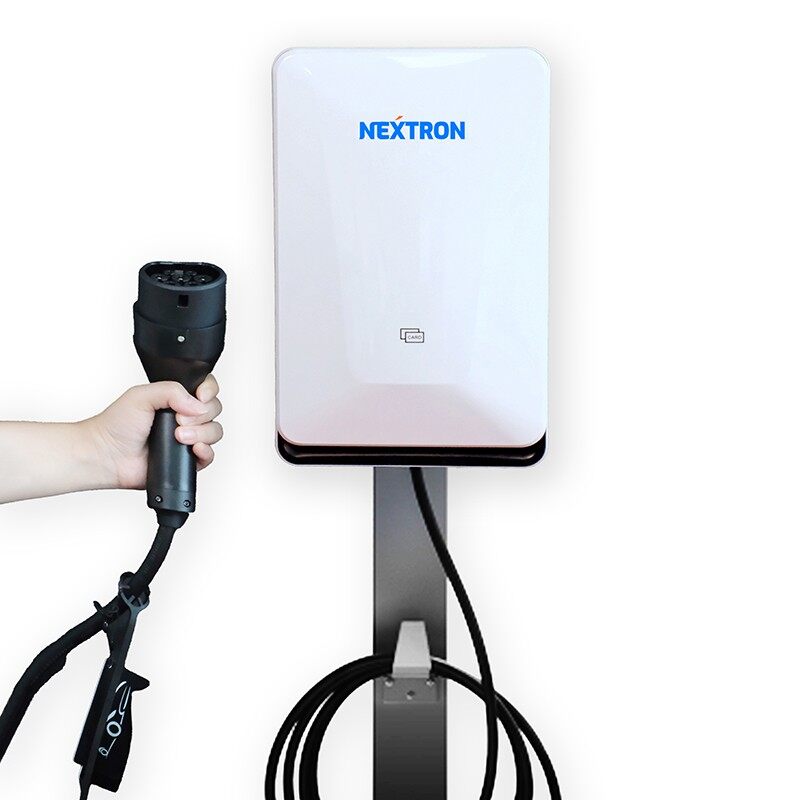
Convenience and wide compatibility: AC charging station solutions offer unmatched convenience and broad compatibility, enabling electric vehicle owners to charge their cars outdoors effortlessly. Compatible with the majority of electric vehicles on the roads, these chargers boast flexible mounting options, making them suitable for installation in a diverse range of on-street and off-street settings.
High cost-effectiveness: AC chargers have lower procurement, installation, and maintenance costs thanks to simpler and mature designs. Their operating expenses are also relatively economical. This cost-effectiveness expands the application range of AC chargers, making it a practical choice for various environments.
High energy efficiency: Advanced chip-level controls and power conversion technology help AC charging stations achieve high energy efficiencies. It adopts energy-saving technology to minimize energy loss during charging and lower energy costs for users.
Safety: The built-in multiple protection mechanisms of AC charging stations, such as over-temperature, over-voltage, and leakage protection, provide car owners with a safe and stable charging environment.
Easy to maintain and install: Modular designs of AC charging stations simplify maintenance and repair work. As plug-and-play devices, these EV connect charging stations can be set up quickly without extensive
Types of AC Charging Station
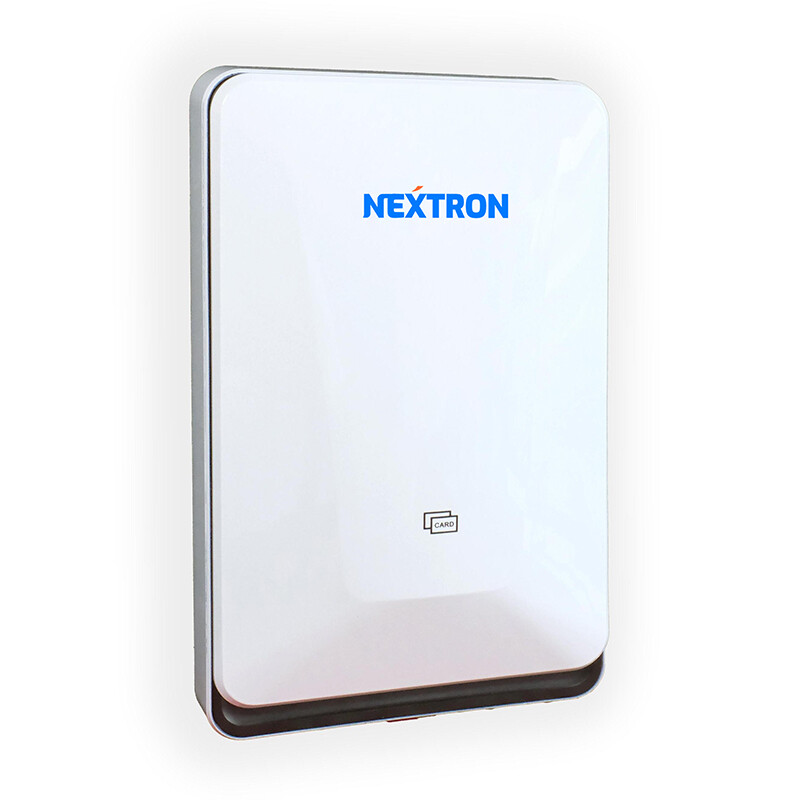
AC Level 1 Charging Stations
Level 1 charging stations are the most basic type, using a standard 120-volt electrical outlet to charge electric vehicles. Ideal for home or workplace use where vehicles are parked for extended periods. Very affordable and easy to install.
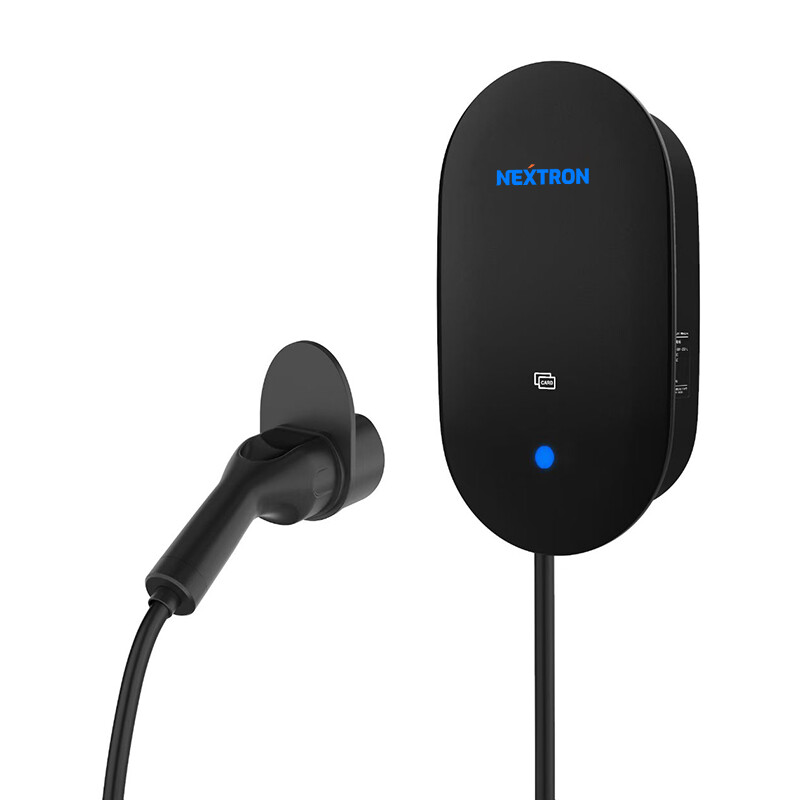
AC Level 2 Charging Stations
Level 2 charging stations use a 240-volt power source, allowing them to charge electric vehicles faster than Level 1 stations. Adds about 10-60 miles of range per hour. Common in public places, workplaces, and homes.
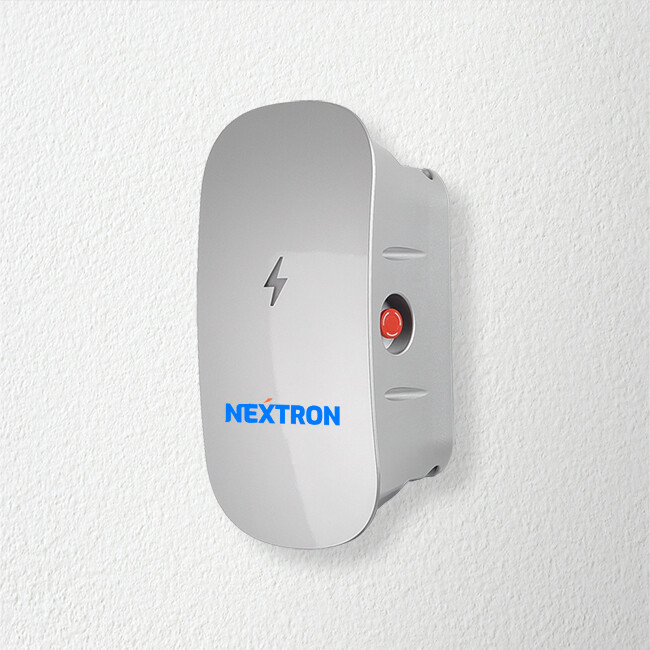
AC Level 3 Charging Stations
Also known as ultra-rapid charging stations, Level 3 stations are the fastest type of AC charging option available. Can charge from 0 to 80% in 20-40 minutes. Uses high voltage (up to 1000V) and high power (up to 350 kW). Installed along highways and major routes for long-distance travel.
Features of AC Charging Station
Exquisite appearance
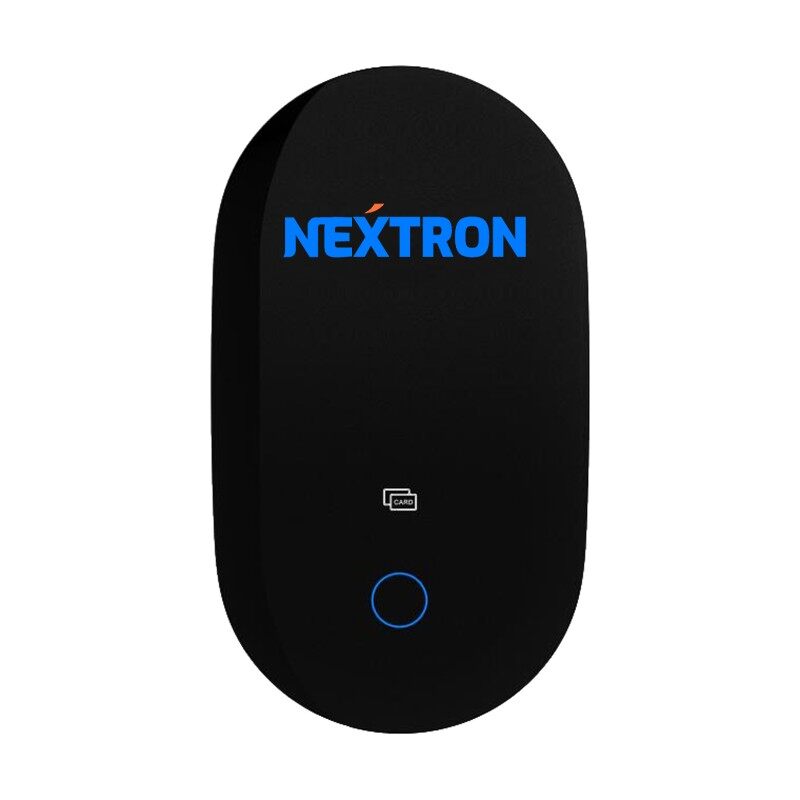
The equipment body adopts advanced injection molding one-step forming technology. The lines are smooth and natural, and the overall shape is simple yet elegant. It not only fits various usage scenarios but also highlights a high-end texture.
All-round safety protection
Built-in multiple precise protection mechanisms. The overtemperature protection function monitors the temperature of key parts of the equipment for 24 hours. When overheating occurs, it automatically initiates cooling measures.
Super compatibility
After strict testing and optimization, it can be seamlessly connected with 99% of new energy electric vehicles on the market.
Specifications of AC Charging Station
|
Product Model |
AC0200702 |
AC0201102 |
AC0202202 |
|
|
Structural Parameters |
Host Size |
360*203*100mm (L*W*H) |
||
|
Installation Method |
Wall - mounted / Column - mounted |
|||
|
Cable Length |
5.0m(Customizable) |
|||
|
Electrical Parameters |
Rated Voltage |
AC250V (Single - phase) |
AC380V (Three - phase) |
AC380V (Three - phase) |
|
Rated Power |
7.2kW |
11kW |
22kW |
|
|
Input Frequency |
50Hz/60Hz |
|||
|
Charging Mode |
Basic version |
Charge by card |
||
|
Environmental Parameters |
Operating Temperature / Humidity |
-30℃ ~ +50℃/5%~95% |
||
|
Operating Altitude |
≤2000m |
|||
|
Protection Level |
IP55 |
|||
|
Safety Design |
Over - Voltage protection and under - Voltage protection. |
|||
|
Over - Temperature protection for relay: The relay will automatically protect when its temperature exceeds 130℃ . |
||||
|
Over - Current protection:Three - stage over - Current protection. |
||||
Application of AC Charging Station
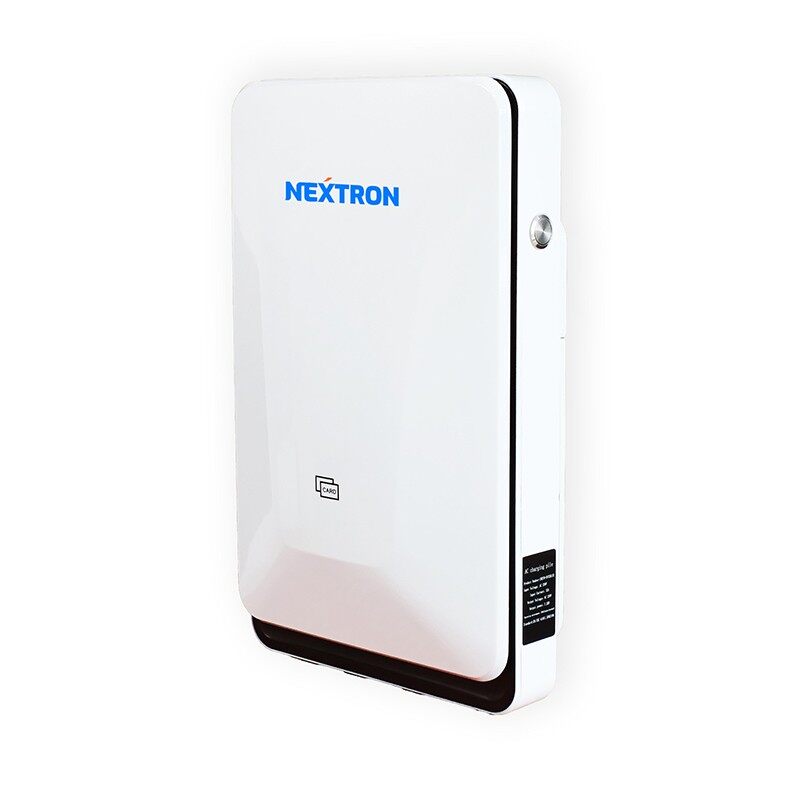
Home charging
Most EV owners use Level 1 or Level 2 AC chargers at home, often installed in garages or outdoor spaces. Level 2 chargers, which use 240V service, can charge an EV overnight, making them a convenient option for home charging.
Workplace charging
Many workplaces are equipped with Level 2 AC chargers to provide employees with a convenient charging option during work hours.
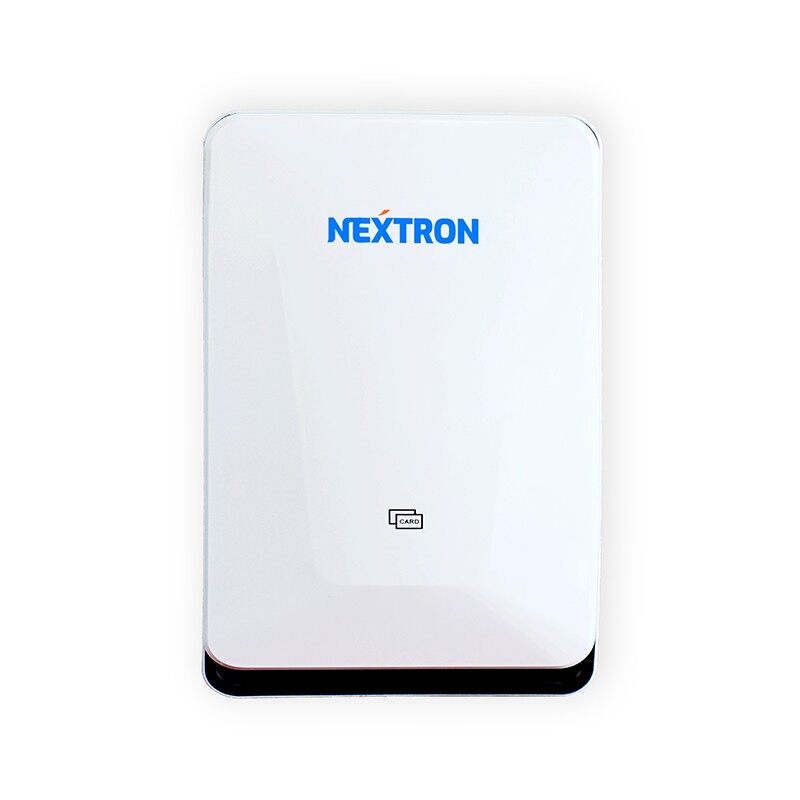
Public charging
Public AC charging stations are increasingly available in various locations, including shopping centers, restaurants, and hotels, offering drivers the ability to top up their batteries while running errands or traveling.
Commercial applications
AC charging stations are used in various commercial settings, such as retail stores, apartment buildings, and multifamily properties, to attract customers, increase property value, and reduce greenhouse gas emissions.
Main Components Of AC Charging Station
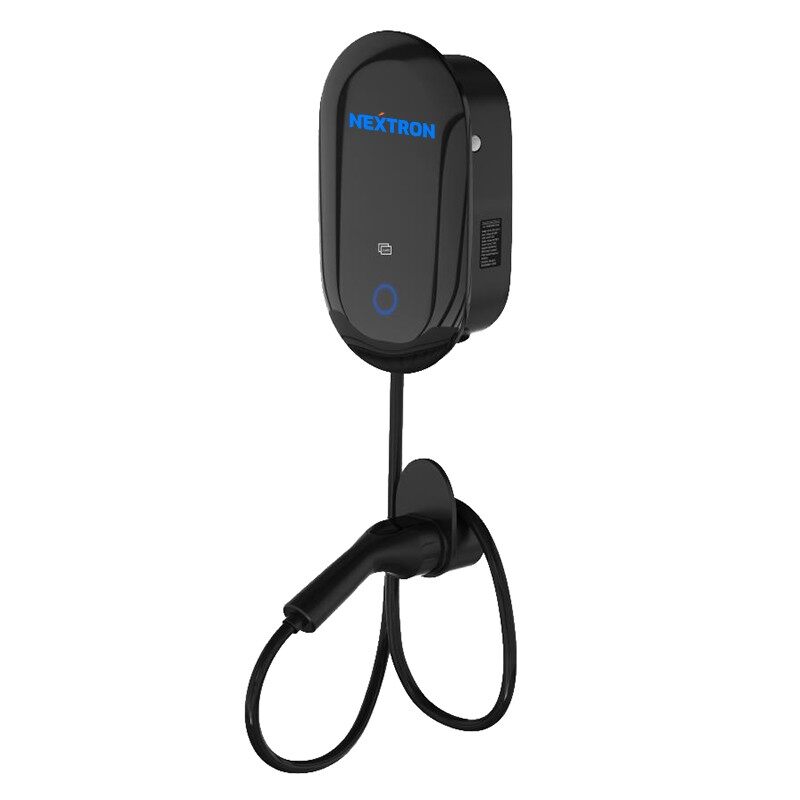
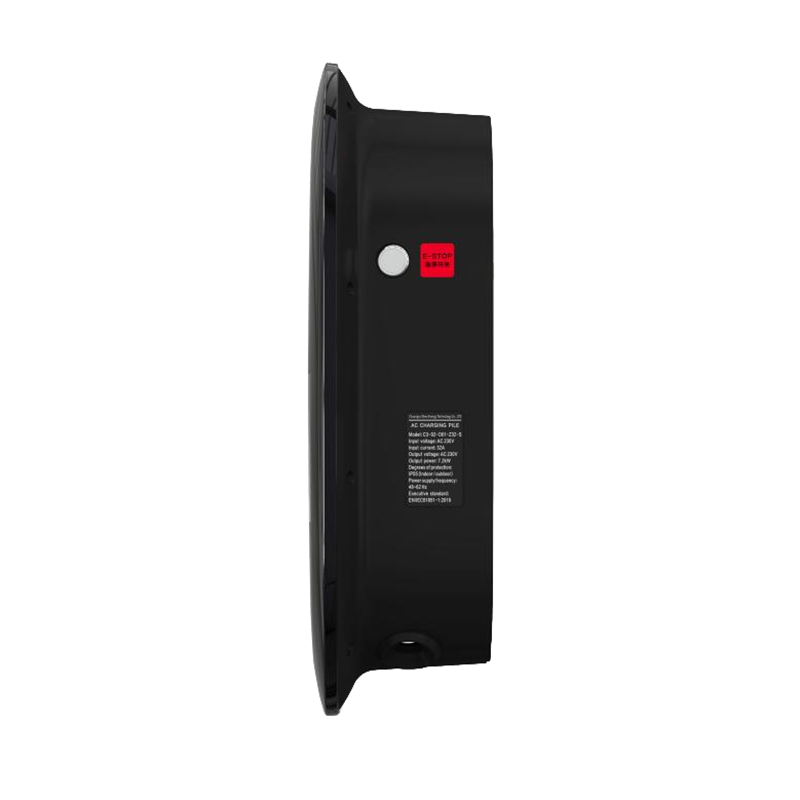
Power supply: The power supply is one of the main components of ev chargers. It converts the grid’s ac or dc electrical power into the appropriate voltage and current to charge the ev’s battery. The power supply component typically consists of a transformer, rectifier, and control circuitry.
Connector: The ev charging connectors (accessories) consist of the plug, which goes into the electric vehicle’s inlet, and the socket. The plug and socket have pins that match and connect to form an electrical circuit. The pins can handle a range of high currents and voltages without overheating or causing electrical arcing.
Charging cable: The charging cable is the connection between the charging station and the ev. It carries the electric current from the charging station to the ev’s battery. The quality and type of charging cable used can affect the speed and efficiency of the charging process.
Control board: The control board is the brain of the charging station. It manages the charging process and ensures the ev battery is safe and efficient. A well-designed control board is essential for the reliability and safety of the charging station. It typically consists of a microcontroller, voltage and current sensors, relays, and other components.
User interface: The user interface is part of the charging station that the user interacts with. It typically includes a screen, buttons, or other input devices that allow the user to input information and control the charging process. The charging station can integrate or connect the user interface to a separate device.
Packing and Shipping of AC Charging Station
|
Packing |
Sturdy boxes |
|
Shipping |
Shipped by road, sea, rail |
FAQ