

DC Charging Station
Your Professional DC Charging Station Supplier
Our goal is to become your true partner in the field of DC charging station in China. Since its establishment in 2021,has been committed to becoming a leading enterprise in the new energy vehicle technology field. Mainly provide customers with high-quality and intelligent charging solutions. We have a skilled engineering team dedicated to refining every stage, from product development and process improvement to production oversight, ensuring every product delivered meets rigorous quality and performance standards. The price is competitive and the product is quality-assured, which is a good choice for your long-term cooperation.


Why Choose Us
Product application
Our products mainly include charging stations, charging piles and converters, which are widely used in public charging stations, road rescue and other scenarios.
Production market
Our products are sold well in many countries and regions around the world, including Europe, America, Southeast Asia, etc., and our footprints are all over the international market, which strongly proves our quality and strength.
Customized solutions
We provide not only a single product, but a full set of charging solutions built according to different scenarios and different needs, whether it is a commercial center, a residential community or a public transportation hub, which can be efficiently adapted.
Our services
In the pre-sales stage, our team of experts will recommend the most suitable products according to the needs of customers and provide detailed technical consultation. During the sales period, we ensure timely delivery and provide installation guidance. For after-sales, we provide long-term technical support, warranty services and spare parts to help customers maximize the use of products and get reliable maintenance during use.
Advantages Of DC Charging Station
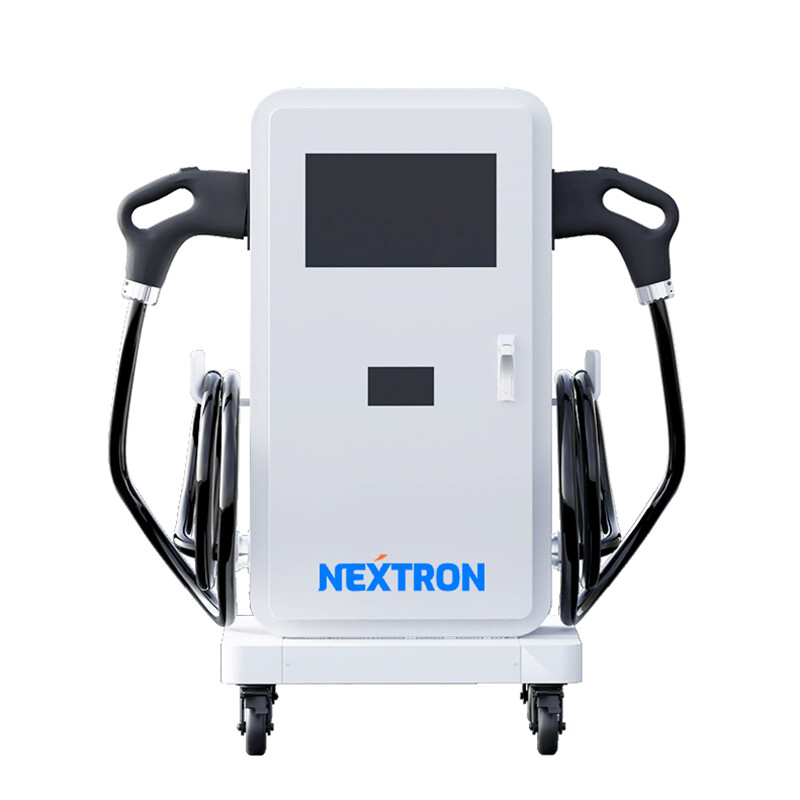
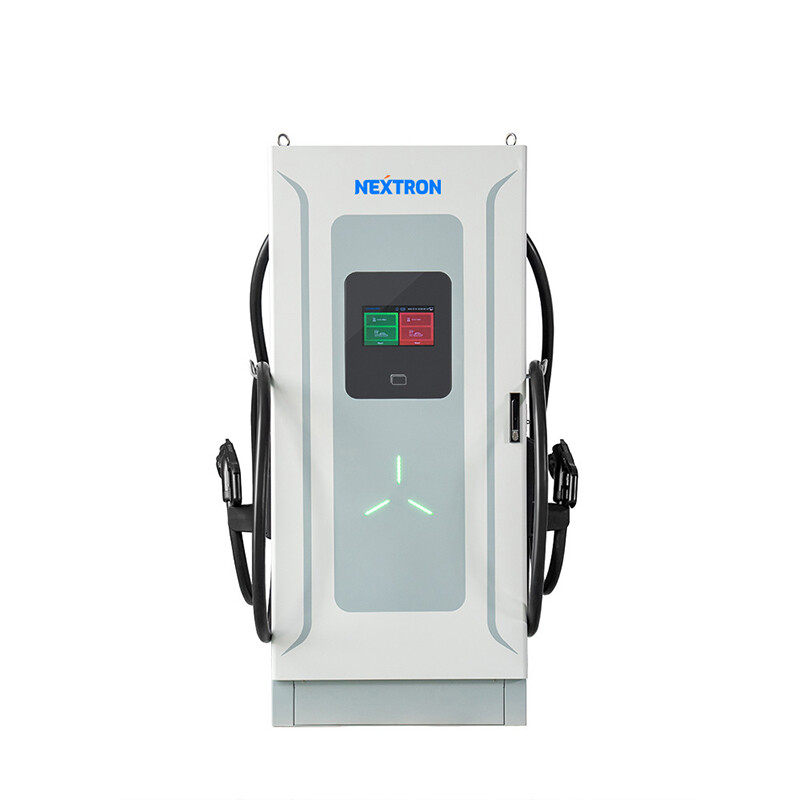
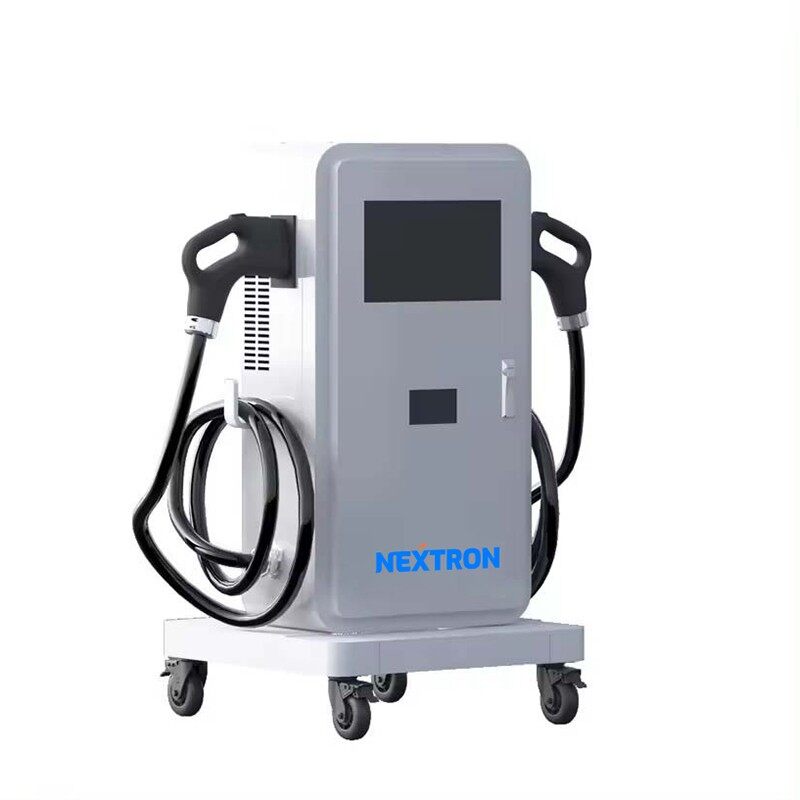

Quick charging time: DC fast charging stations can provide a full charge to an EV battery in about 30 minutes, making them an ideal choice for commercial EV charging. This quick charging time means that more EVs can be charged in a shorter amount of time, which is essential for businesses that need to keep their vehicles on the road.
Greater range: Because DC fast charging stations can charge an EV battery quickly, they allow EV drivers to travel longer distances without worrying about running out of power.
Increased productivity: With quick charging times and greater range, EVs can be used for longer periods of time without the need for lengthy charging stops. This increased productivity means that businesses can operate more efficiently, reducing downtime and increasing profits.
Reduced costs: Using EVs for commercial purposes can save businesses money on fuel costs, and with DC fast charging stations, the cost of charging is further reduced. Because DC fast charging stations can charge an EV battery quickly, businesses can charge more vehicles in a shorter amount of time, reducing the need for additional charging infrastructure.
Environmental benefits: Using EVs for commercial purposes can help reduce greenhouse gas emissions, and with DC fast charging stations, the environmental benefits are even greater. Because EVs can be charged quickly, businesses can rely more on electric vehicles and reduce their dependence on fossil fuels.

Rapid charging: Dc rover 30kw ensures fast and effective charging. Dual-ports deliver up to 30kw, allowing sequential charging for two vehicles.Compact power, anywhere you need
Space-efficient design: Ultra-compact size with significant dc power.
Versatile installation: Flexible options for fixed or mobile positioning.
Efficiency in every minute: A 30-minute charge provides over 50 miles of range. Keep moving with minimal downtime during charging sessions.
Cost-effective solution: Low installation costs for a faster roi.
Specifications of DC Charging Station
|
DC Output Connection |
|
|
Charging mode |
Mode 4: CCS1 |
|
Charging mode |
30kW |
|
Output voltage |
150-1000V CCS1: 80A; |
|
Max output current Number of outputs |
2*CCS1 |
|
Peak efficiency |
≥95% |
Application of DC Charging Station
Public charging stations
Dc fast chargers are commonly found in public locations like highways, shopping centers, and parking lots, where fast charging is essential for drivers on the go.


Long-distance travel
The rapid charging capabilities of dc stations are crucial for refueling evs during long road trips, ensuring drivers can continue their journey without extended delays.
Fleet vehicle charging
Dc chargers are well-suited for fleet vehicles, allowing companies to quickly recharge their electric vehicles throughout the day, minimizing downtime.

High-mileage driving
Drivers who frequently cover long distances will appreciate the speed and convenience of dc charging, which can quickly replenish their vehicle's battery.
Short-stop locations
Dc fast chargers are ideal for locations where evs need to gain range quickly, such as rest stops along highways or parking areas near businesses.
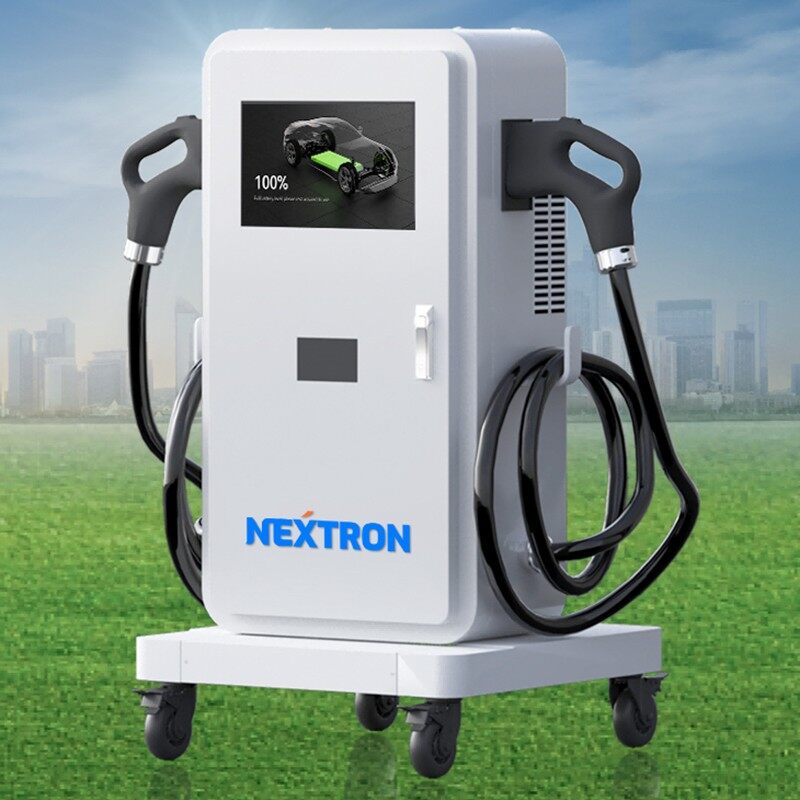
Residential applications (limited)
While dc fast charging is primarily for public use, some homes May have dc charging installed, especially those with high-demand or large electric vehicle fleets.
Main Components Of DC Charging Station
Main relay: The main relay is responsible for initiating and ending the charging process. It closes to begin charging and opens when the charging is complete. Voltage measurements on either side of the relay determine whether it is open or closed.
Pilot wire: The pilot wire enables communication between the charging equipment and the ev’s battery management system. It allows for the detection of battery status, and the host processing system uses this information to determine the appropriate power supply to the on-board charger.
Power supply: The power supply unit includes an ac/dc converter that takes in ac power from the grid and converts it to dc using a switching circuit.
V/i sense circuits: V/i sense circuits are used to measure the ac voltage (v) and current (i) during the charging process. They provide essential information for monitoring and control purposes.
Current transformer (ct): Current transformers are commonly used to measure the input current, although other methods such as shunt or flux methods can also be employed.
Ev connectors: Ev charging connectors vary based on the country of manufacture and the specific standards used.

Dc/dc converter
The dc/dc converter uses various buck regulators to achieve different voltage levels (such as 12v, 5v, 3.3v, etc.). These regulated voltages are employed to power the sensors, displays, and controllers within the charger unit.
Host processing subsystem
The host processing subsystem consists of a main microcontroller that receives information from the pilot communication. Based on this information, the controller triggers the main relay using relay driver circuits.
Power factor correction system
The power factor correction system filters the power harmonics from the ac/dc converter and dc/dc converter subsystems, ensuring efficient power utilization and adherence to power quality standards.
Vehicle-to-grid (v2g) system
The v2g system enables bidirectional power flow between evs and the grid. It allows ev battery packs, which can have large capacities of up to 100kwh or more, to act as portable power sources for household equipment.
Customizable options of DC Charging Station
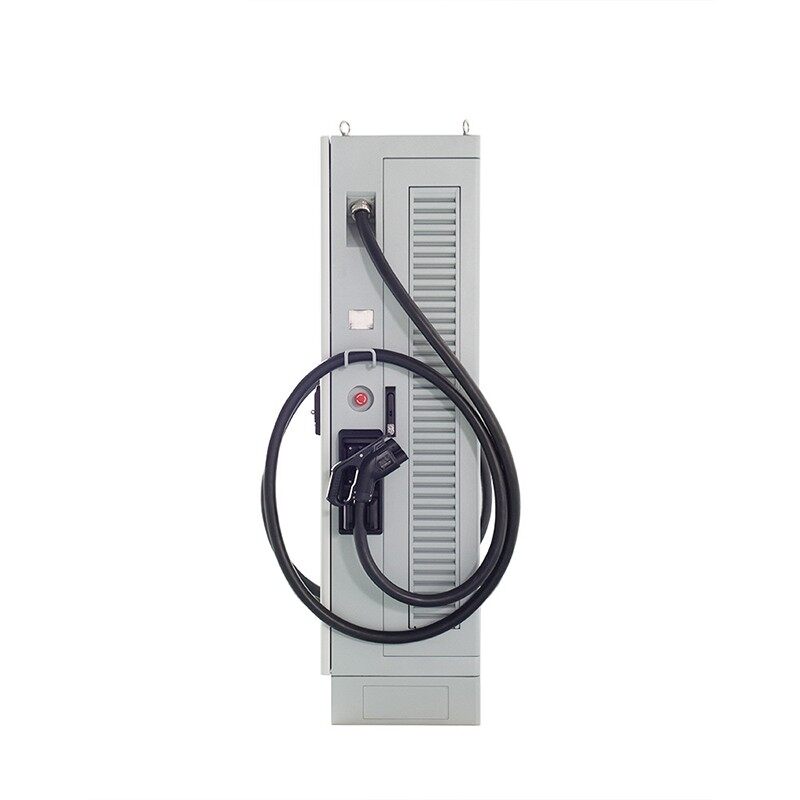
Charging plug
Optional plug to meed country standardsguns or 2 guns (ccs1,ccs2,chademo,gbt,ac optional).
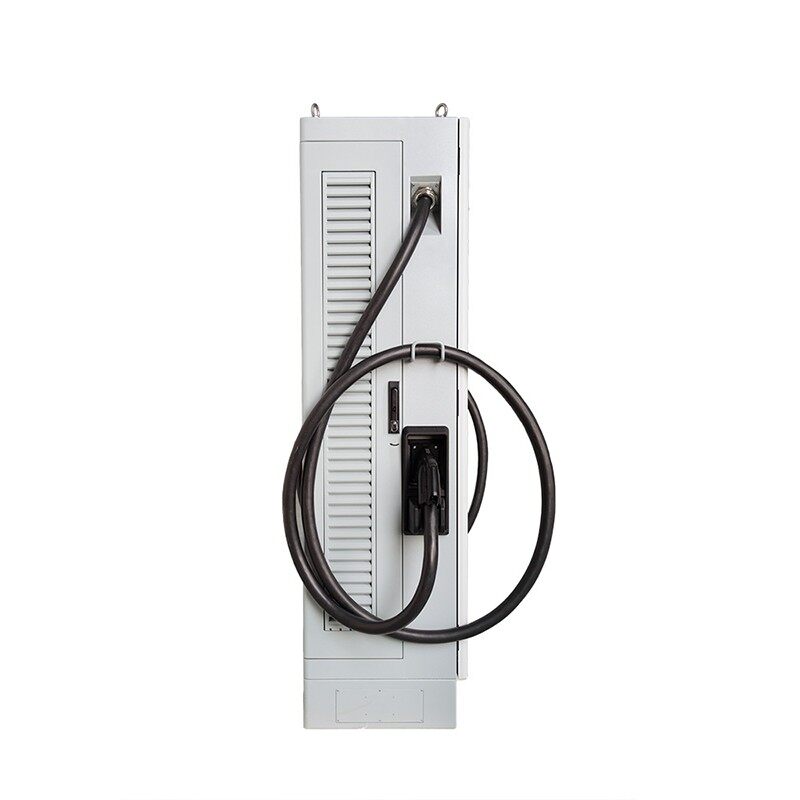
Logo
Customized logo put on shell by laseron lccb box or cable head.
Exterio & cable length
Customized shapes or colors and cable lenath tomatch any architectural style and your needs.
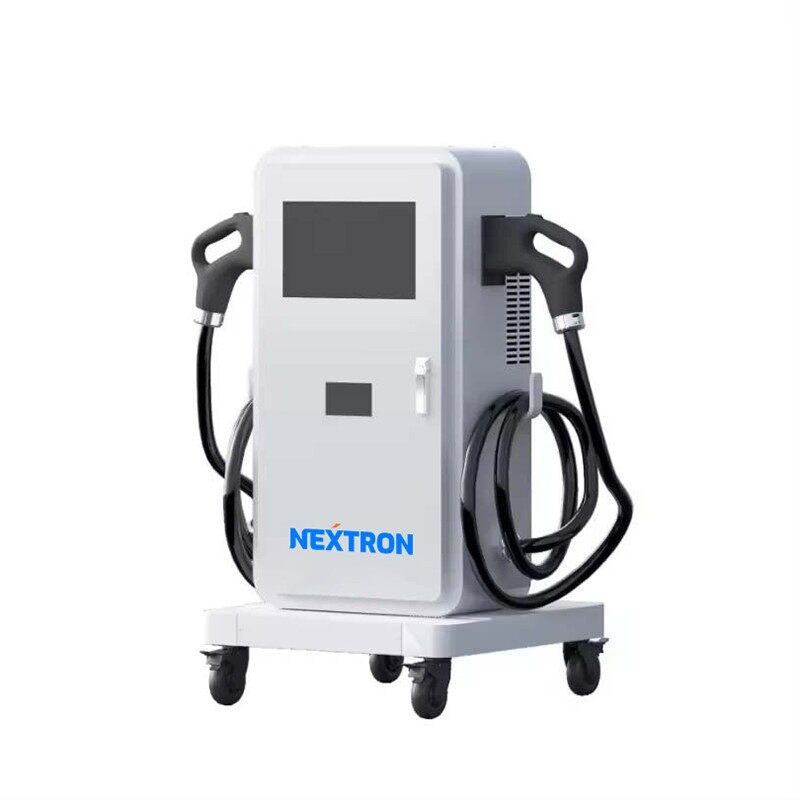
Additional feature
7kw-480kw charging power option/ chargingpayment system/energy and money saving evcharging solutions/floor stand or wall mounted,.Etc.
Packing and Shipping of DC Charging Station
|
Packing |
Sturdy boxes |
|
Shipping |
Shipped by road, sea, rail |
FAQ